


Group A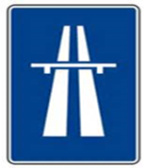
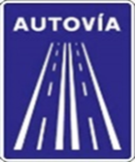
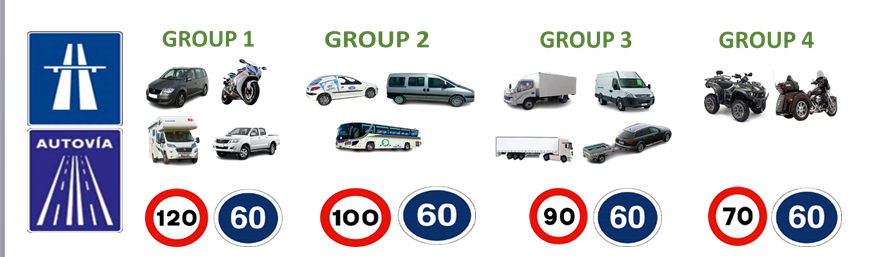
Group B
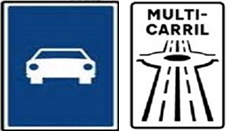
Conventional roads
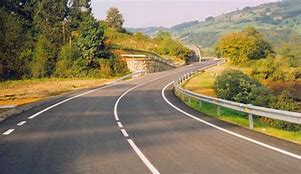
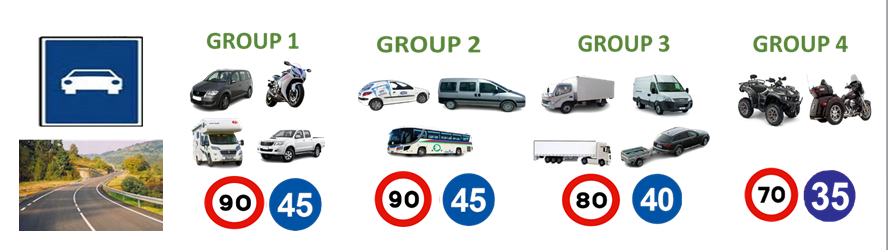
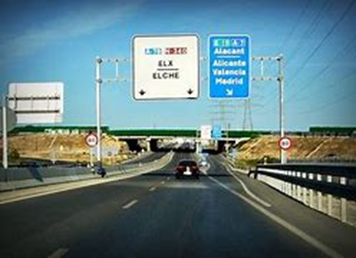
On multi-lane roads the owner may establish 100 Km/h by signs only for group 1: Sedans, motorcycles, campervans and pick-ups
SPEED INSIDE TOWN
Urban roads / Through roads
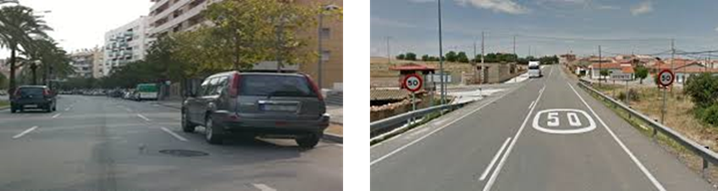
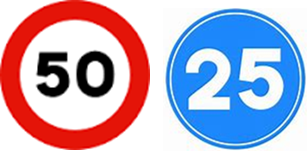
Urban roads – One lane in your direction
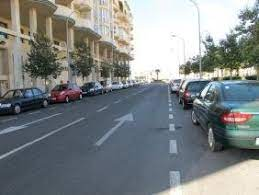
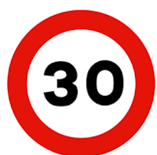
Urban roads with same platform for vehicles and pedestrians
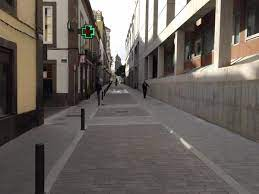
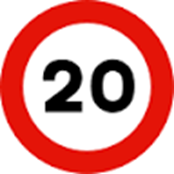
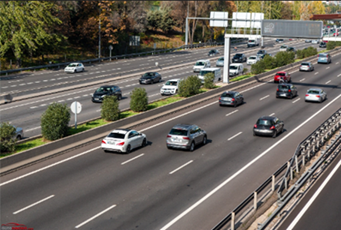
Motorways and dual passing through town
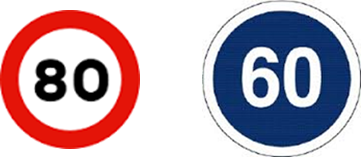
Leisure and play zone
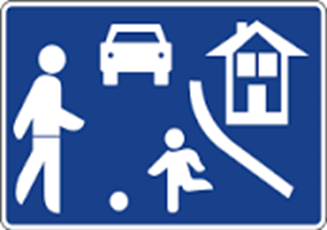
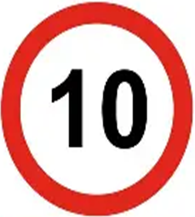
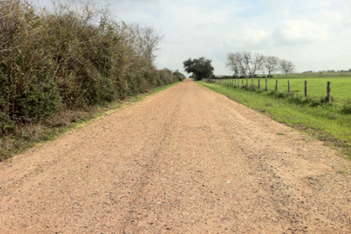
Unpaved roads
Why should you fulfil speed limits?
Outside town
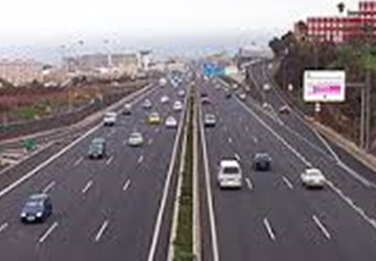
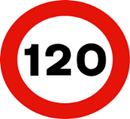
At high speed: It’s more difficult to control your vehicle; the distance when slowing down is greater; injuries after accidents are worse
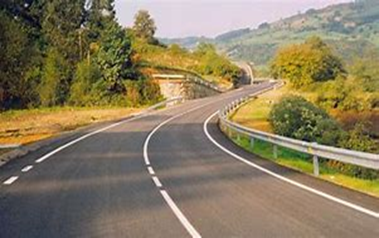
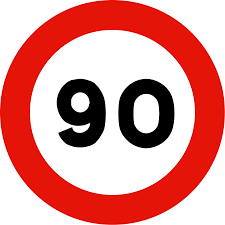
Conventional roads are the most dangerous one. Reasons: Two ways together; junctions; pedestrians and slow vehicles
In urban areas
Vehicles and pedestrians share the road
SPEED PEDESTRIAN MORTALITY RATE
30 Kph 15%
50 Kph 85%
80 Kph 100%
Other Speeds
Out of town -> 10 Km/h below > Truck 80 (motorways)
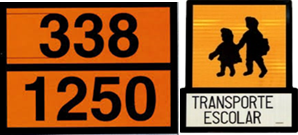
In town, where the limit is 50 -> 10 Km/h below > Truck 40
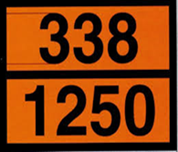
Conventional roads -> Buses with standing passengers or without seatbelts
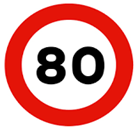
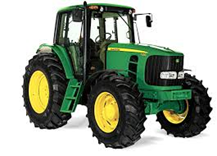
Special vehicles

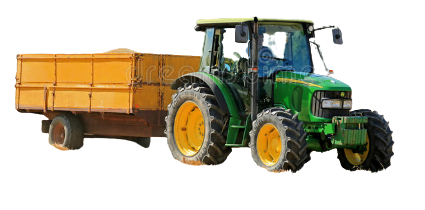
With trailer or without brake lights

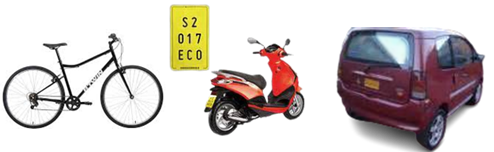
Mopeds, light quadricycles, cycles & reduced mobility

Motorcycles, 3-wheeled vehicles, mopeds and bicycles towing trailers or semi-trailers > 10% lower
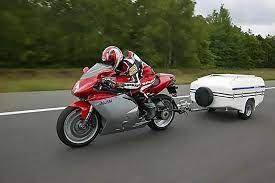
Types of Speeds
Generic: Established for safety and fluidity reasons
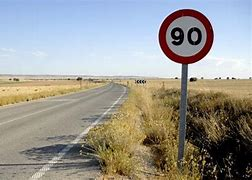
Specific: Indicated by signposts or road signs
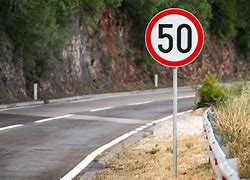
Design speed of the road: The maximum you may drive safe in a section of a road under favorable circumstances
Abnormally low speed: Below the minimum one of each road. It is forbidden to go at this speed without any reason. Some situations prevent you from reaching this minimum speed: Rain, traffic, breakdown…
Some vehicles don’t have minimum speeds: Mopeds, bicycles, special vehicles…
If you can’t reach the minimum one on motorways or dual carriageways due to emergency, you must drive up to the first exit and leave it
Prevalent speeds: Some speeds prevail over the generic ones:
Specific speeds: Indicated by signs
Specific speeds for some vehicles: With the panel V-4
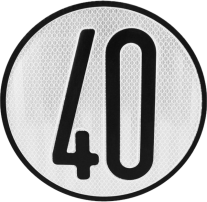
Specific speeds for some drivers: With the panel V-4

Suitable speed: Adequate for the circumstances: Weather, vehicle, driver…
Inappropriate speed: Unsuitable for: road, weather, traffic, driver…This speed can be above the limits (excessive) or within the limits but losing control
You will slow down and even stop in the following situations:
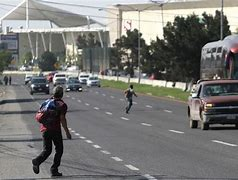
There are pedestrians or animals near the road, especially if they may step on the road unexpectedly
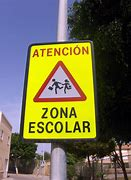
Schools
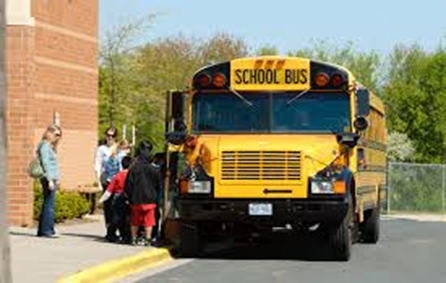
Close to a bus stop, especially school buses
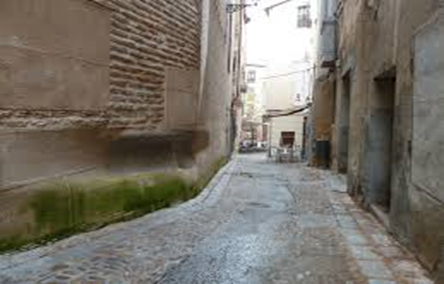
Buildings with direct entrance to the road (Elderly people)
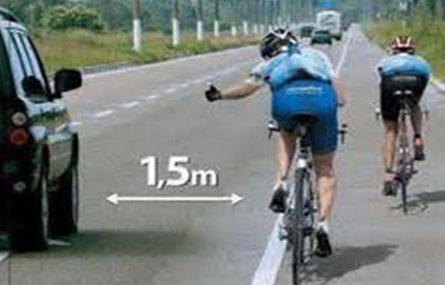
Cyclists on carriageway or hard shoulder
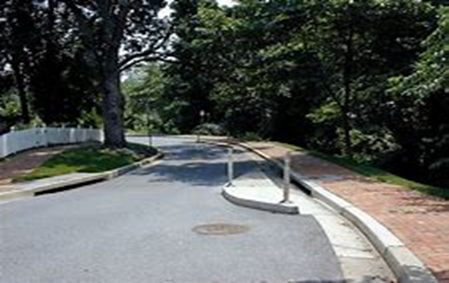
Narrow roads
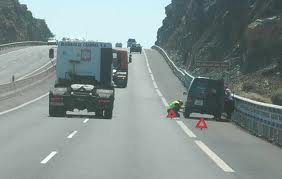
When coming across immobilized vehicles on the road (out of town)
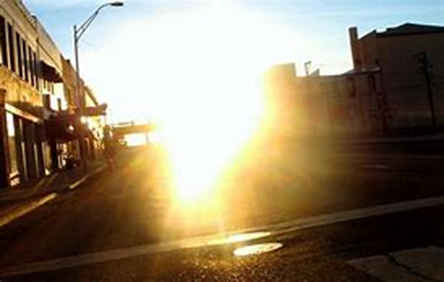
Dazzled by the sun or lights
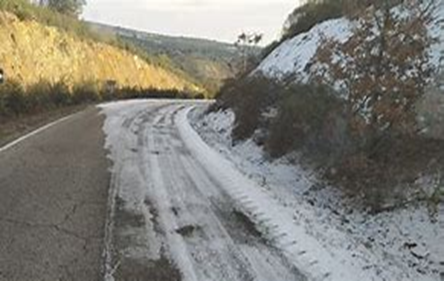
Slippery surface
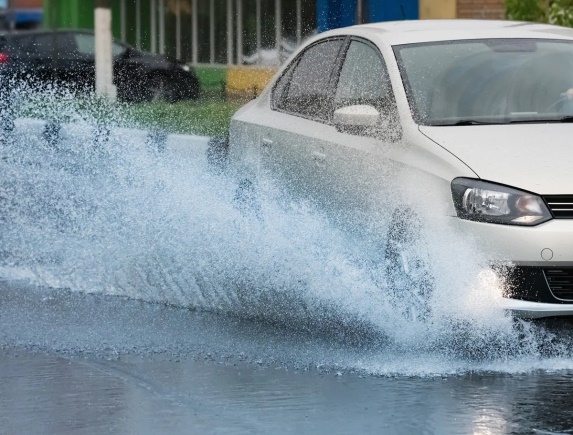
When you may splash water to other users
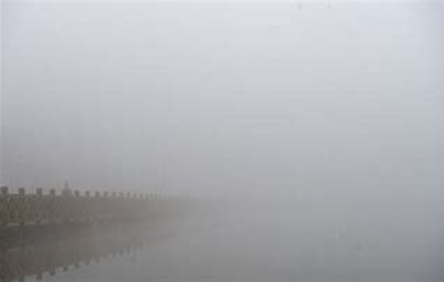
Lack of visibility or extreme bad weather
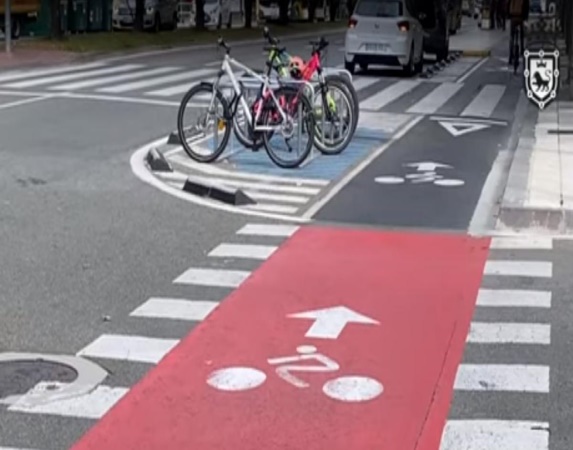
Junctions with bicycle lanes
Level crossings or moving bridges
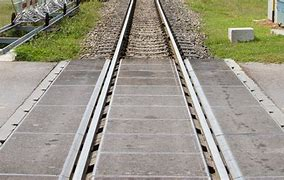
Roundabouts
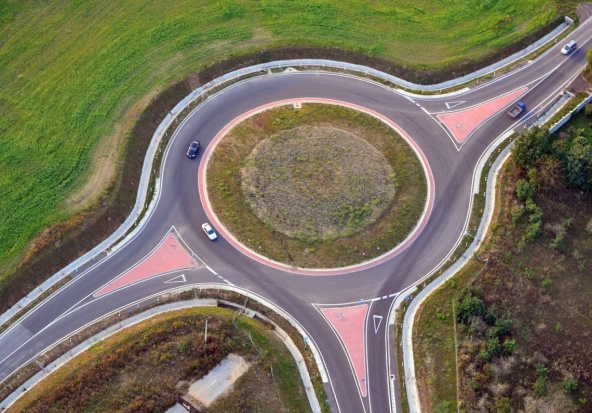
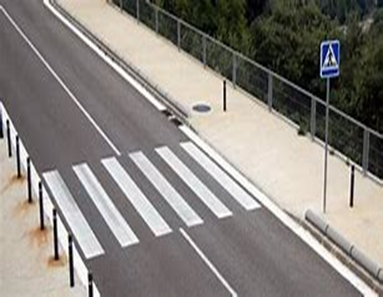
At pedestrian crossings without traffic lights nor traffic officers
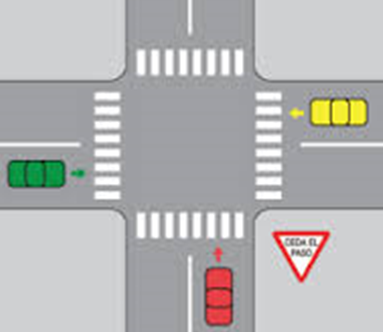
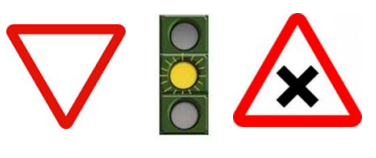
Junctions without right of way. When no visibility the maximum speed is 50 Kph
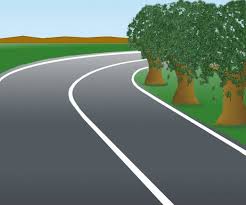
Bends and gradient without visibility
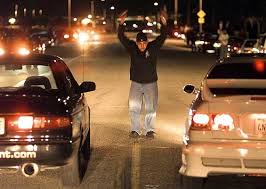
In the event of slowing down suddenly, you should check the inside mirror, brake several times to make the lights flashing or moving your left arm up and down
Speed competitions are forbidden on public roads except when authorities agree on it and set a zone for that purpose
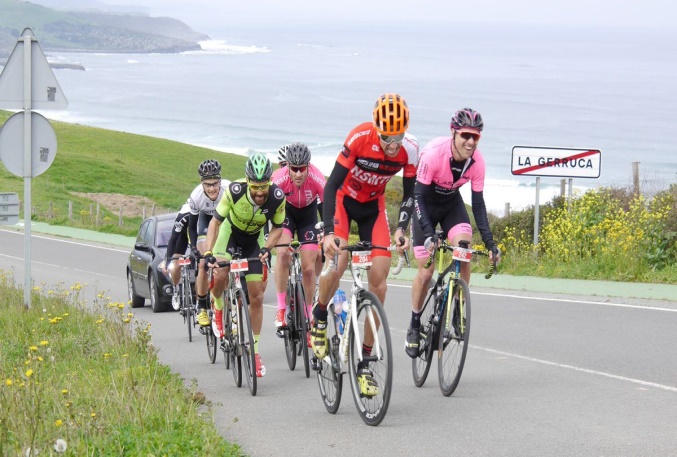
If there are more than 50 cyclists in the same group, they need authorization