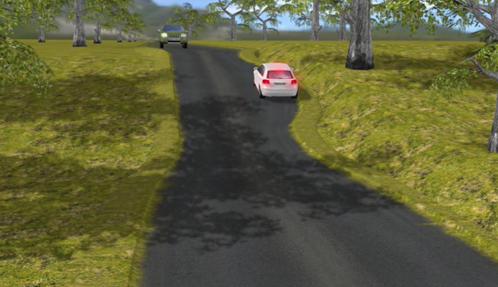

PRIORITY AT JUNCTIONS OR INTERSECTIONS
Intersection: Place in which two roads cross each other at the same level. Some of them are special such as roundabouts and split roundabouts
JUNCTIONS / INTERSECTIONS WITH SIGNS
All users will obey them: Officers, traffic lights, standing signs and road marks
JUNCTIONS / INTERSECTIONS WITHOUT SIGNS
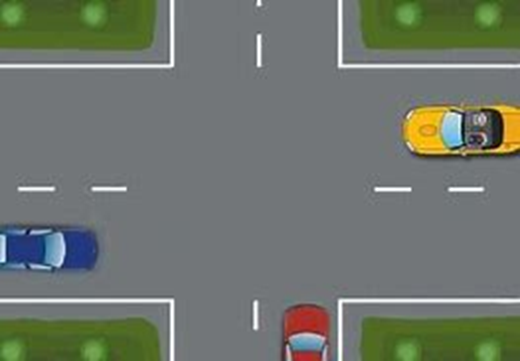
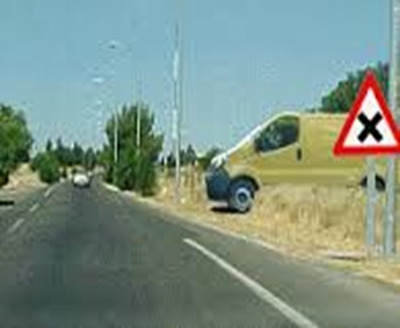
You must give way to all kinds of vehicles coming from your right
EXCEPTIONS WITHOUT SIGNS
Paved roads are priority over unpaved ones
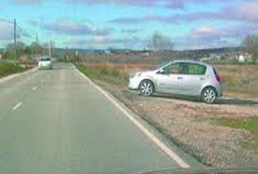
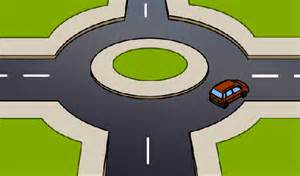
Vehicles inside roundabouts
Public over private roads
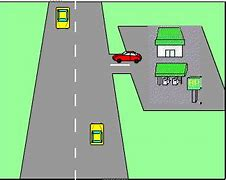
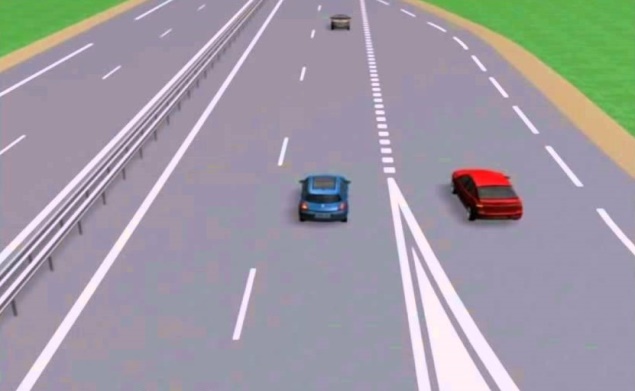
Vehicles on roads over the ones in acceleration lanes
SIGNS PREVAIL OVER GENERAL RULES
BEHAVIOUR AT JUNCTIONS
Approach phase: Once you observe the intersection you have to place your vehicle in a proper position according to the direction you are planning to follow. Check the signalization
Entrance phase: You have to assess the situation and make the decision: Go on or stop
Go through phase: Quick without bothering other users
BEHAVIOUR WHEN YOU HAVE TO GIVE WAY
You have to show your intentions by slowing down and not go on until you make sure you don’t force others to slow down abruptly or swerve the steering wheel
BEHAVIOUR WHEN YOU HAVE RIGHT OF WAY
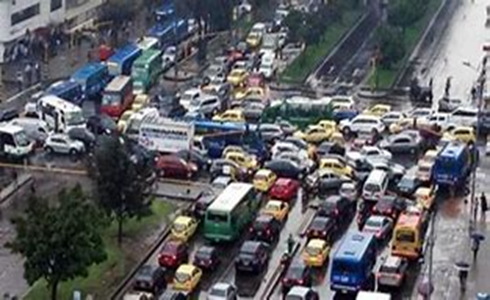
You can´t invade a junction if you may end up blocking it. If you do so, you will leave the junction
VEHICLES GOING ON TRACKS
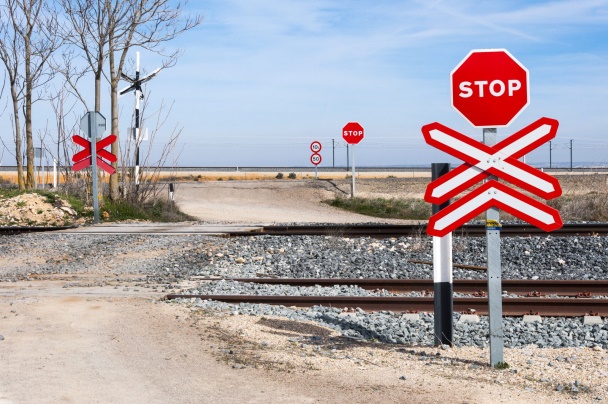
Trains always have right of way at level crossings
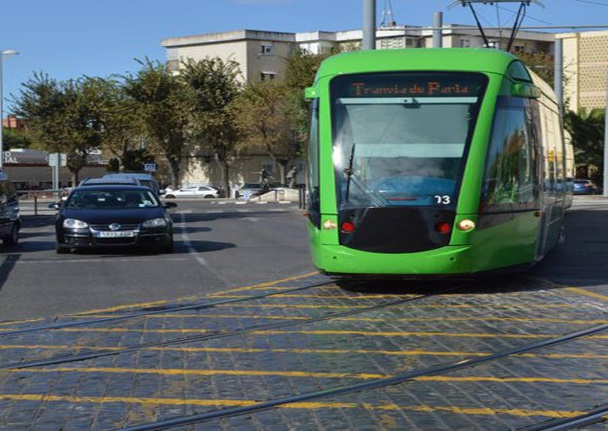
Trams usually have right of way except when there are other signs: Traffic lights or standing signs

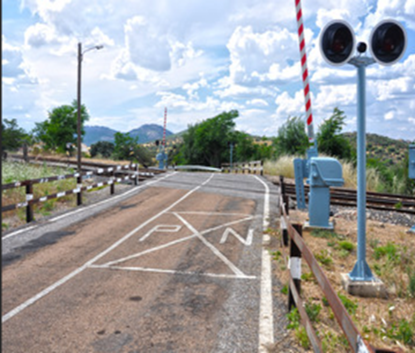
BE CAREFUL at level crossing: Observe signs, slow down and give way if a train is coming. A barrier like this doesn’t mean you can pass
RIGHT OF WAY FOR CYCLISTS
At bicycle lanes without traffic lights or officers
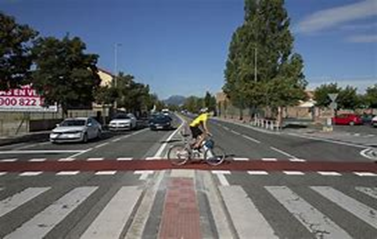
When invading hard shoulders with bicycles
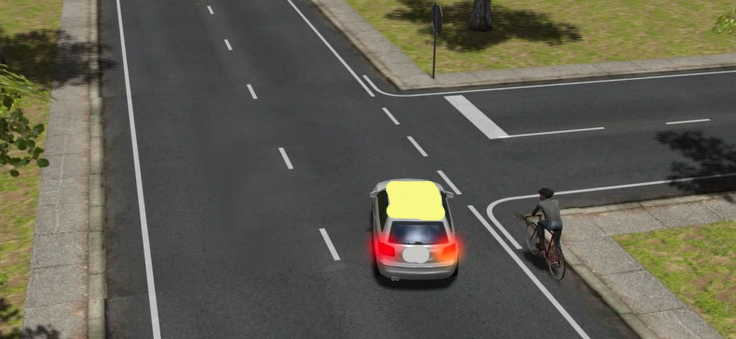
When you turn to other road and there are cyclists
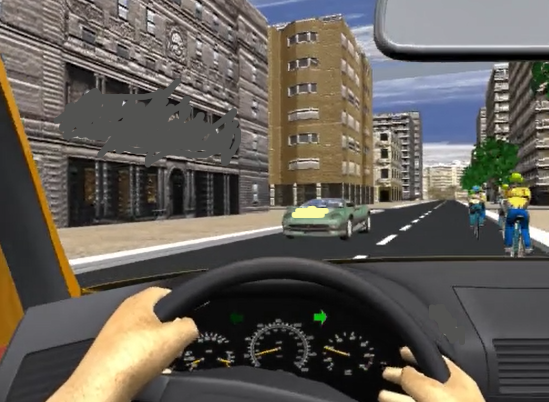
When following the general rule at junctions
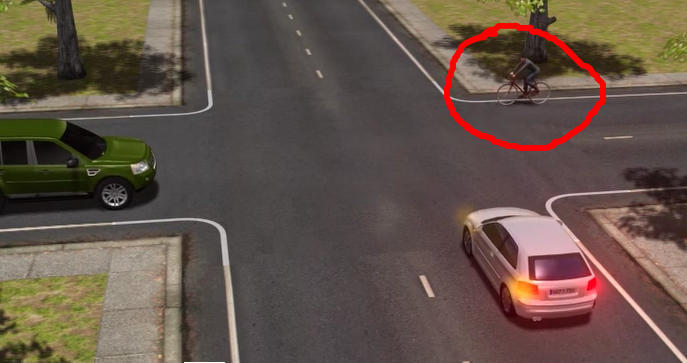
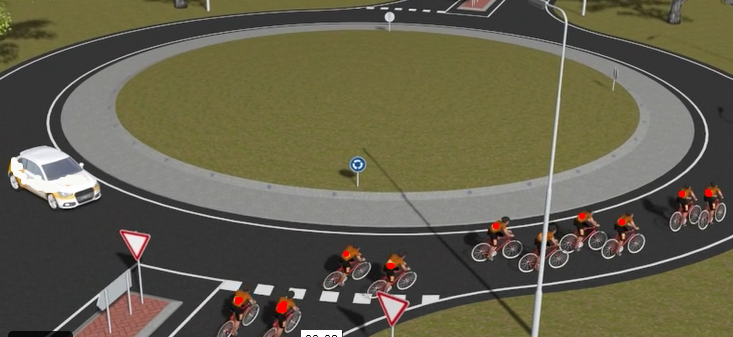
When travelling in group, if the first one has begun to cross a junction, you must let the whole group pass
RIGHT OF WAY FOR PEDESTRIANS
Pedestrian crossings without traffic lights nor officers
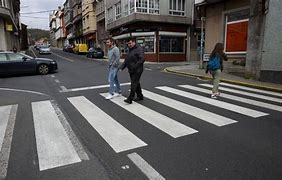 When you turn to other road and you find pedetrians (even with no zebra crossing)
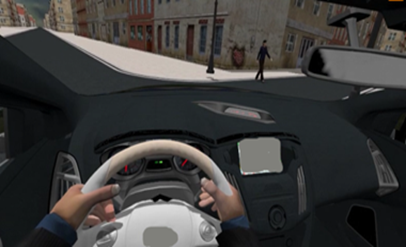
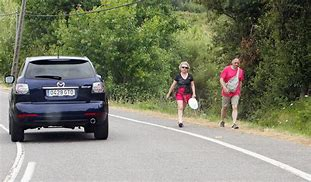
When invading hard shoulders used by pedestrians without pedestrian zone
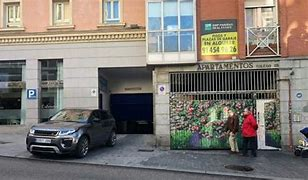
When invading pedestrian areas – Garage exits
When they get off a bus, they have right of way until they reach the closest pedestrian area
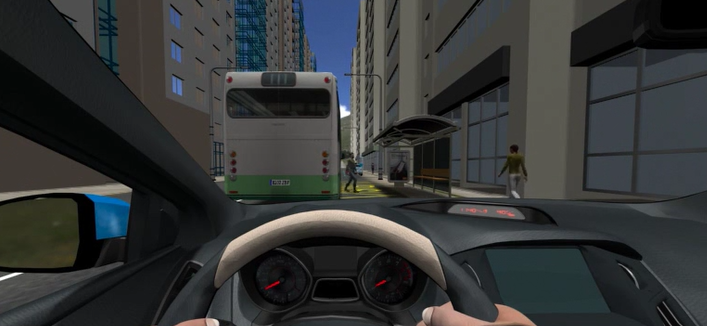
When you find: Scholar queues, soldiers…

RIGHT OF WAY FOR ANIMALS
Livestock tracks or pets crossings
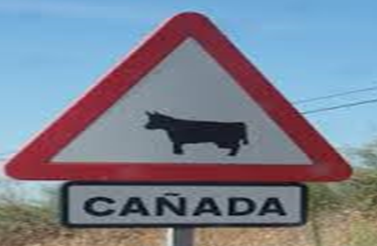
Turns to other roads
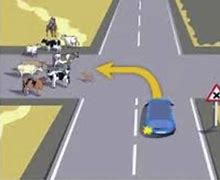
Invading hard shoulders
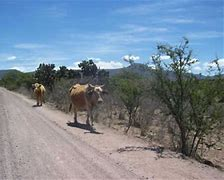
EMERGENCY/ADMINISTRATIVE VEHICLES IN SERVICE
V-1 LIGHT
(BLUE)
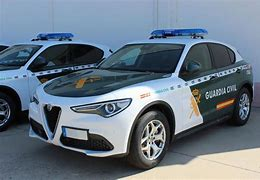
V-1 LIGHT
(BLUE)
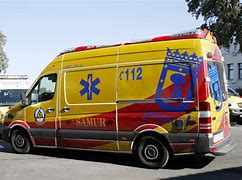
V-1 LIGHT
(BLUE)
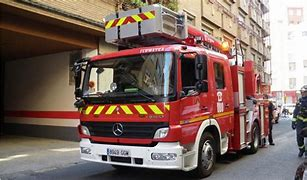
V-1 LIGHT
(BLUE)
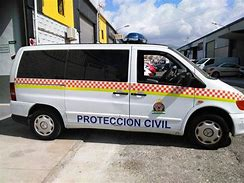
V-2 LIGHT
(YELLOW)
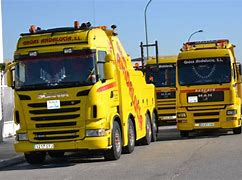
These lights are enough to indicate emergency but, when there is risk of collison at junctions, they also need to switch on sirens
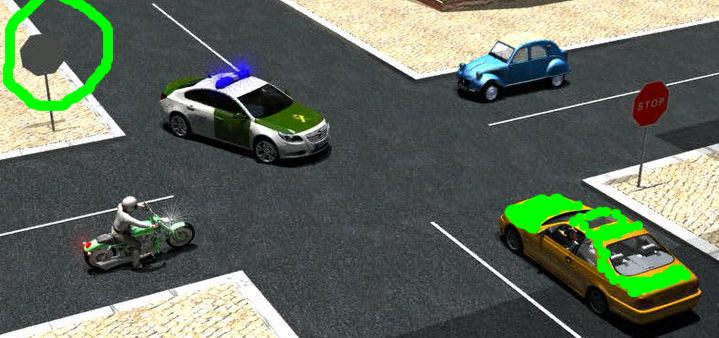
These vehicles can ignore rules, except traffic officers. But before running lights or signs, they have to be careful and make sure all users are aware of their presence. They may use central reservations to turn around on motorways and drive in hard shoulders without endangering any user
NON-PRIORITY ON EMERGENCY CALL (PRIVATE VEHICLES)
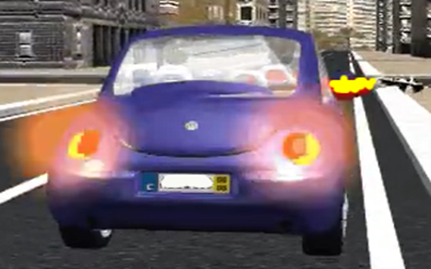
Indicating the emergency by hazard lights, handkerchief and horn. They will respect the rules, especially at junctions. These drivers can’t go without seatbelt
The rest of users will make an effort to let them pass by invading hard shoulders or even stopping
ROAD NARROWINGS
With signs
You don’t have right of way
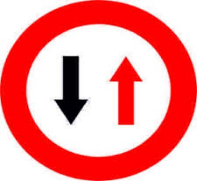
You have right of way
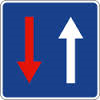
Without signs: Rules
The vehicle that entered first has right of way
With doubts about which entered first, the vehicle with more difficulties in reverse has right of way according to the following list:
1 Oversized special vehicles
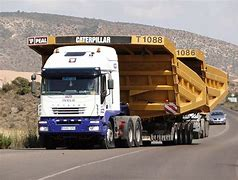
2 Vehicle combinations / Set of vehicles
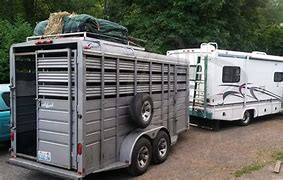
3 Animal drawn vehicles
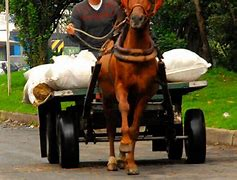
4 Sedan plus light trailer and camper vans
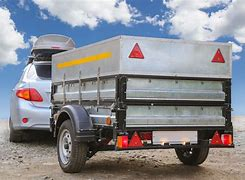
5 Buses
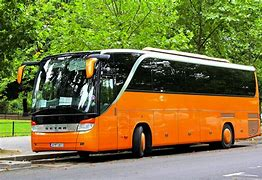
6 Trucks and vans
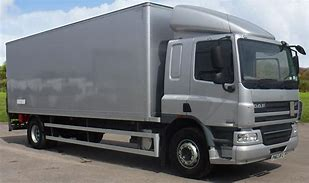
7 Sedans
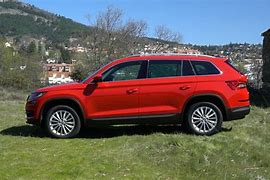
8 Non-oversized special vehicles
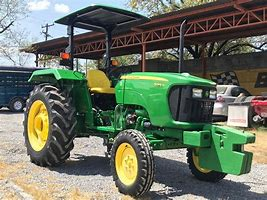
9 3-Wheeled vehicles and sidecars
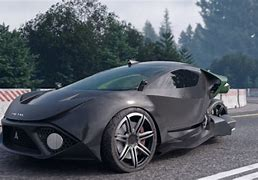
10 2-Wheeled vehicles

OTHER CASES
With doubts about which entered first and same kinds of vehicles:
Greater distance in reverse has right of way
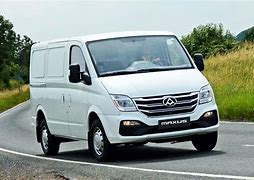
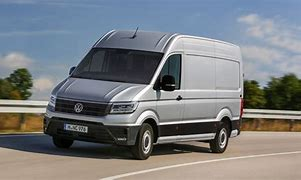
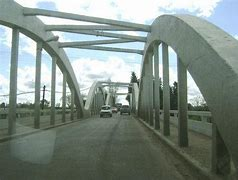
On narrow bridges (less than 6-meter wide), oversized vehicles can’t pass at once
ON STEEP SLOPES (AT LEAST 7% OF INCLINATION)
Vehicles ascending have right of way, unless there is a lay-by